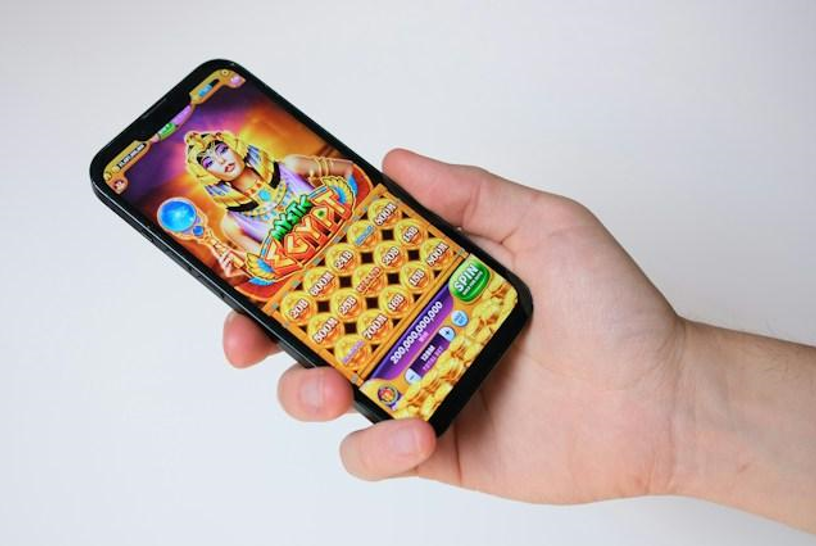
Slot games have changed substantially since the era of mechanical casino machines, yet many familiar features remain. Online versions still use recognizable symbols and traditional three-reel layouts, alongside newer formats that take advantage of digital technology.
Modern slots also incorporate animation, themed storytelling, and interactive features inspired by arcade games. Understanding how these elements relate to traditional slot mechanics helps players recognize the differences between familiar gameplay structures and newer digital presentations.
Classic Reels Meet Digital Animation
The old three-reel slot machine hasn’t disappeared. It’s simply taken on a different appearance. Many online titles retain the familiar arrangement of spinning reels and recognizable symbols, replacing physical mechanisms with digital movement and graphics.
Players browsing FanDuel slots can explore traditional reel layouts alongside games featuring animated backgrounds and more elaborate visual effects, depending on the available selection. Cherries, bells, and lucky sevens remain familiar symbols that reflect the history of slot games.
What digital presentation adds is movement beyond the reels themselves. Symbols might expand, glow, or shift position as a round progresses. Lighting changes can draw attention to particular combinations, while some titles deliberately keep their graphics understated.
Even the timing varies. Certain games move quickly between spins, whereas others pause for longer animations when special features appear. Beneath those differences, the process remains recognizable. Players select their settings, start a spin, and wait for the symbols to settle.
Board Game and Arcade Influences
Not every modern slot looks like a conventional machine. Some borrow heavily from board games and arcade titles, introducing puzzle-style grids, moving tiles, and illustrated pathways that would seem familiar in other forms of entertainment.
The resemblance becomes particularly noticeable during bonus rounds. A standard reel display might give way to a separate screen where characters move across a board or symbols reveal additional features. For a moment, the presentation resembles a miniature game of its own.
Arcade influences appear elsewhere, too. Certain titles feature level indicators, animated objectives, or transitions between different visual stages. These additions change how the action looks without necessarily altering the underlying slot mechanics.
When switching from streaming your favorite series to exploring online slots, it’s worth understanding how these features work. Some bonus sequences ask players to make selections, while others unfold automatically. The distinction isn’t always obvious from the graphics alone. In some games, an interactive-looking feature simply reveals an outcome already determined by the game’s rules.
Narrative and Themed Presentation
Ancient mythology, fantasy adventures, historical settings, and familiar fictional characters have become regular fixtures in online slots. The traditional reel format remains, but the surrounding presentation often resembles a scene from a larger story.
Sometimes, the symbols do most of the storytelling. Character portraits replace conventional icons, while illustrated backgrounds establish the setting. Music and animation carry that atmosphere through successive spins without requiring a complicated narrative.
Other titles take the idea further. Bonus features might introduce a new location, reveal another character, or present a short animated sequence. There’s a sense of progression, even when the underlying mechanics remain largely unchanged.
Themed games can use storytelling in different ways. Some develop a narrative through bonus features, while others focus on visual styling. Animations may highlight gameplay events or contribute to the atmosphere. Understanding their purpose helps players compare titles with similar rules and different presentations.
Cascading and Cluster Mechanics
Many traditional slots use fixed paylines, requiring matching symbols to appear in specific positions. Modern formats also include alternative arrangements, such as cascading reels and cluster-based payouts.
Cascading reels typically remove symbols involved in winning combinations. Remaining symbols then move into the empty positions as new symbols appear. Depending on the game’s rules, another qualifying combination may trigger an additional cascade during the same round.
Cluster games use a different approach. Rather than following fixed lines, they identify groups of matching symbols positioned next to one another. The required group size varies, as do the directions in which symbols can connect.
These differences may not be immediately apparent from the reel layout. A game can look familiar while evaluating combinations through different mechanics. The information panel explains whether paylines, clusters, or cascading features apply, particularly when symbols continue changing after the initial spin.
Sound Design and Visual Feedback
Mechanical slot machines had their own distinctive soundtrack. Reels clicked into position, bells sounded, and familiar electronic noises accompanied the action. Digital games retain elements of those traditions while introducing a wider range of audio and visual effects.
Several presentation features contribute to the experience:
- Themed soundtracks: Orchestral music or electronic effects help establish the setting of individual games.
- Reel sound effects: Audio cues accompany spinning reels, settling symbols, and gameplay transitions.
- Symbol animations: Symbols may illuminate, expand, or change appearance during particular sequences.
- Visual indicators: Background changes and on-screen elements can highlight bonus features or additional gameplay stages.
These features help players follow the action while contributing to each game’s visual identity. Some titles emphasize cinematic effects, while others retain the familiar presentation of traditional machines.
Audio and visual effects form part of the game’s presentation rather than determining its results. Reviewing the information panel helps players understand how these effects relate to the rules and features of each title.
Cross-Platform Presentation
Many online slots are available across desktop computers, smartphones, and tablets, depending on the game and platform. Their familiar symbols, reel arrangements, and underlying mechanics generally remain consistent across supported devices.
Desktop versions have more room for detailed backgrounds and expanded information panels. On smaller screens, those elements often move or shrink to accommodate the reels and essential controls. Some decorative details become less prominent.
The way players interact also changes. Mouse clicks give way to touchscreen selections, while certain games adjust automatically between portrait and landscape orientations. Others work better in one particular viewing format.
Checking how a title displays on different devices helps players understand its interface. Clearly visible betting controls, accessible information menus, and readable indicators contribute to convenient navigation. A familiar game may offer a different visual experience on a smaller screen while retaining the same underlying rules.
Where Familiar Games Meet New Presentation
Online slots retain many recognizable elements of traditional machines, including spinning reels, familiar symbols, and established gameplay structures. Digital technology builds on these foundations through animation, themed storytelling, sound design, and interactive features.
Some innovations focus on presentation, while others introduce different ways of evaluating symbol combinations. Understanding these distinctions helps players compare game formats, explore their features, and identify titles that match their preferences for visual design and gameplay.
